







Tustin escrow company · Licensed since 2002: Somebody has to hold the money.

We hold the money and the papers for both sides, from the signed contract to the recorded deed. Nothing moves until everyone has done what they agreed to.

In escrow with us now? Here’s what to do.
A family of four walks toward a white Spanish-style house with a clay tile roof and bougainvillea by the door, with dry foothills behind it.

About Alliance Mutual Escrow

A Tustin escrow office for homes and businesses across California, licensed since 2002.

Our office is on Newport Avenue in Tustin. We work with families and agents from North Tustin to the San Gabriel Valley, and we take escrows anywhere in the state.

Ask for us by name.

These are the escrow officers at our Tustin office. Call (714) 544-6525 and ask for any of them.

Meet the whole team
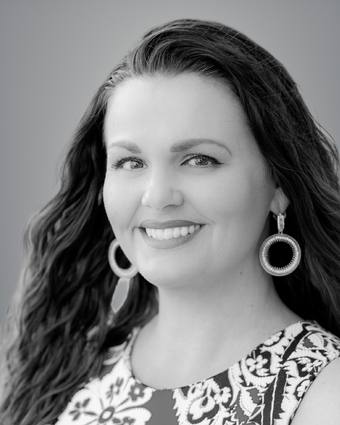
  • Headshot of Laura Woodbury.

    Laura Woodbury

    Managing Escrow Officer

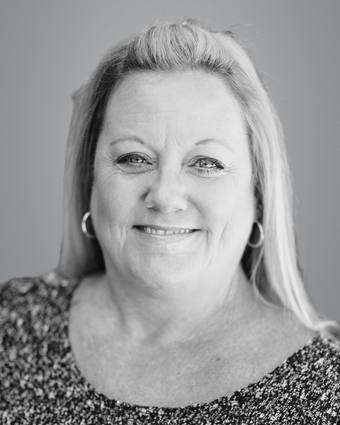
  • Headshot of Katie Macias.

    Katie Macias

    Residential and Bulk Sale Escrow Officer

    Ext. 102
  • Headshot of Jhana Duncan.

    Jhana Duncan

    Escrow Officer

  • Headshot of Heather Lambaren.

    Heather Lambaren

    Escrow Officer

    Ext. 106

Which escrow is yours?

Buying or selling a home

The seller doesn’t touch the buyer’s deposit. It comes to us. We stay neutral and follow the written instructions that buyer and seller both sign. If the deal falls apart, the deposit stays put until both sides sign a release or a court decides.

When every condition is met, the county records the deed in the buyer’s name. Only then do we pay off the seller’s loans and send the seller the rest.

  1. HeldThe deposit, then the buyer’s loan money
  2. CheckedTitle, payoffs, the loan and each condition in your contract
  3. ReleasedDeed recorded, then loans paid off and the seller paid
How a home escrow works
An older couple at their cottage: she tends the front garden while he comes down the porch steps with two mugs of coffee.

Buying or selling a business

In a bulk sale, a business sells over half of its inventory and equipment in one deal. California’s bulk sale rules apply to businesses that mainly sell from stock, such as shops and wholesalers, and to restaurants. Sales with assets under $10,000 or over $5 million are left out.

At least 12 business days ahead of the sale, the buyer records a notice with the county, prints it in a local paper and sends it to the county tax collector. The notice tells the seller’s creditors where to file a claim.

In a cash sale of $2 million or less, escrow pays the claims that arrive on time out of the sale money. The seller gets what is left.

SellerWrite down every name and address your business has used in the past three years. The notice lists them all. Anyone can read it, so decide early how you’ll tell your team.

  1. HeldThe purchase price
  2. CheckedThe notice, the creditors’ claims and tax clearances
  3. ReleasedClaims paid in order, then the seller
How a bulk sale works
Before opening, a restaurant owner and the buyer of her restaurant talk at the counter.

Transferring a liquor license

A beer, wine or liquor license moves to a new owner only when California’s Department of Alcoholic Beverage Control (ABC) approves it.

The transfer application can’t be filed until the full price is in escrow and a notice of the sale is recorded with the county. After the ABC approves, we pay the seller’s creditors who filed claims. The seller is paid last.

The ABC puts the average transfer from one owner to another at about 75 days.

  1. HeldThe full price, before the ABC gets the application
  2. CheckedThe ABC’s approval of the transfer
  3. ReleasedCreditors’ claims first, then the seller
Liquor license transfers
The owner of a small wine and deli shop restocks a shelf in daylight.

Selling a home in a trust or an estate

When an owner has died or can no longer manage the home, a trustee, an executor or a conservator often sells it. Before any money moves, we check that the person signing has the right to sell.

A trustee usually sells under the trust’s own terms and can show us a certification of trust instead of the whole trust. When an executor or administrator sells, a judge may need to confirm the sale, unless the court gave full authority under the Independent Administration of Estates Act.

We don’t give legal advice. The estate’s attorney can tell you what the court requires.

  1. HeldThe buyer’s deposit and loan money
  2. CheckedThe trust papers or court orders, title and payoffs
  3. ReleasedDeed recorded, then the trust or estate paid
Trust and probate sales
A brother and sister sit on the porch of their parent’s ranch home with a box of old photos, an orange tree in the yard.

From the contract to the recorded deed

Most California home sales follow these seven steps. Choose buying or selling to see your part in each one.

Selling a business? See how a bulk sale works
Two friends stand in an empty living room with tall arched windows and the mountains outside.
  1. Step 1: Opening escrow

    Once both sides sign the purchase contract, the agents send it to us. Next come the escrow instructions. In Southern California that is usually one shared set, listing what must happen before any money moves.

    HeldThe deposit waits in escrow.

    BuyerSend your deposit by the date in your contract. Call us first to confirm the wiring details.

    SellerGive us the name of each lender with a loan on the home, including any home equity line. We’ll ask each one for its payoff amount.

  2. Step 2: The title report

    A title company checks the public records and issues a preliminary report. It names the owner of record and lists the loans and liens (debts attached to the property) recorded against the home.

    BuyerRead the report with your agent, and ask about anything unclear.

    SellerIf the report turns up an unpaid judgment or another old debt against the home, we’ll help you get it cleared before closing.

  3. Step 3: Inspections and disclosures

    The seller hands over the disclosures California requires, and the buyer arranges inspections. Your contract sets a deadline for each.

    BuyerSchedule inspections early. Read each disclosure and sign it before its deadline.

    SellerGet your disclosures to the buyer on time, and answer any repair requests.

  4. Step 4: Loan approval

    If the buyer is borrowing, the lender orders the appraisal and reviews the loan. Before closing, the lender must give the buyer the final loan terms in writing.

    BuyerAnswer your lender quickly. Don’t open new credit, like a card or a car loan, until you close.

    SellerMake the home easy for the appraiser to see.

Two friends stand in an empty living room with tall arched windows and the mountains outside.
  1. Step 5: Signing the papers

    Escrow draws up the closing documents, along with an estimated closing statement showing each charge. You sign in front of a notary public.

    HeldThe buyer’s remaining funds join the deposit.

    BuyerBring a photo ID. Before your remaining funds go out, phone us and check the wire instructions.

    SellerBring a photo ID. You’ll sign the grant deed, the document that transfers the home to the buyer.

  2. Step 6: Funding

    The lender wires the loan amount to escrow, and escrow makes sure nothing in the instructions is left undone.

    CheckedAll the money is in. None of it goes out yet.

    BuyerNo action needed. The lender wires the loan funds directly to escrow.

    SellerNo action needed. We’re getting the final payoff figure for your loan and adding up what you will receive.

  3. Step 7: Recording and closing

    The deed is recorded with the county, most often on the next business day after funding. Then escrow pays the old lenders and the seller. Everyone gets a final closing statement.

    ReleasedPaid out once the deed is recorded.

    BuyerThe home is yours. Keep your final closing statement with your records.

    SellerWe pay you the way your signed instructions say, by wire or by check. Never answer an email or a text with your bank details. Unsure how the money will get to you? Call us and ask.

Before you send money, call us first.

Wire fraud starts with an email that seems to come from us. It carries new bank details, and the money lands with a thief. A phone call stops it. Before you send a dollar, call (714) 544-6525, the number printed on this site, and confirm the instructions with us.

Can you spot the fake? Four practice messages.

Message 1 of 4

Email

From
Alliance Mutual Escrowclosing@ameescr0w.com (an invented example address)
Subject
Action needed today: updated wire instructions

Hello! Our bank account changed this morning. Please wire your down payment to our new account, shown in the attached PDF. It must go out before 2 p.m. today, or your closing may be delayed.
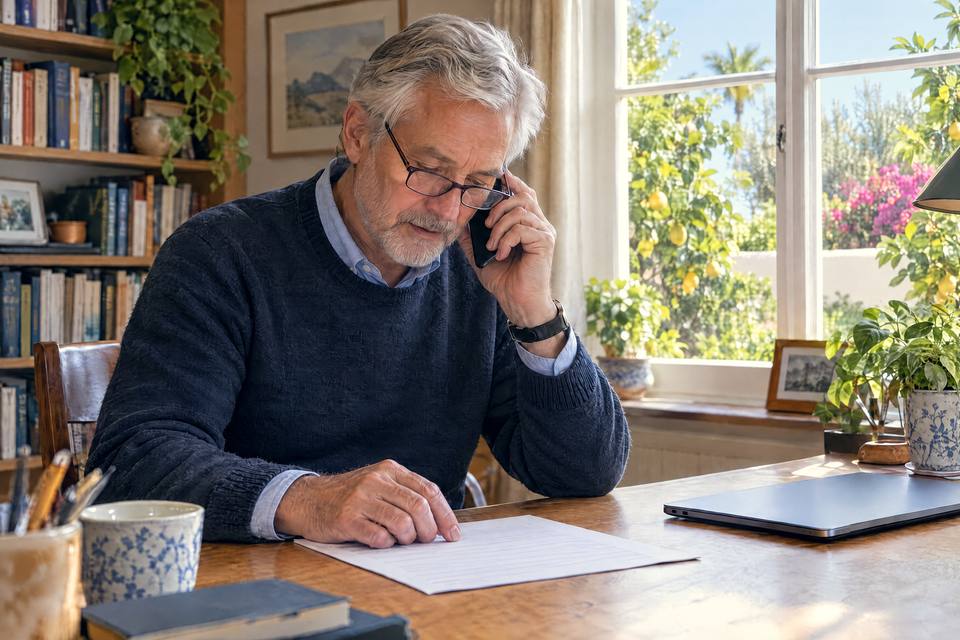

These messages are made up for practice. Our real website is alliancemutualescrow.com. Our email addresses end in @ameescrow.com.

Thieves write to sellers too, asking where the sale money should go. Don’t answer with bank details. Call us, and we’ll go over how your money reaches you.

Save our number to your phoneSave our number

Or add (714) 544-6525 to your contacts by hand.

If our office is closed, wait for us. Send nothing until we have talked. If a deadline comes first, tell your agent today.

Money already sent?

Call your bank now and ask for a wire recall. Then file a report with the FBI at ic3.gov.

Shared your bank details with one of these senders? Call your bank first, then call us at (714) 544-6525.

Source: FBI Internet Crime Complaint Center (IC3): business email compromise.

A real estate agent walks up the front path of a white Spanish-style house.

Send the contract. We take it from there.

Send us the signed contract with each party’s phone and email. We open the file, send out the instructions and keep you posted through closing. We handle these escrows anywhere in California:

What people ask us first

For anything not answered here, call (714) 544-6525.

Buying or selling a home

Already in escrow? What should I do now?

Read each email from us closely. When your escrow officer asks for a signature or a document, send it back as soon as you can. Never send money or bank details until you’ve called us at (714) 544-6525 and checked the instructions. Use the number printed on this website, not one found in a message.

What does an escrow company actually do?

An escrow company sits in the middle of a sale and takes no side. It keeps the money and the paperwork safe while both sides finish what they agreed to. When every condition in the signed instructions has been met, it pays everyone and the sale closes (Financial Code §17003). It gives no legal or tax advice. How a home escrow works.

What’s the difference between escrow and the title company?

They do different jobs, often at two different companies. Escrow holds the money and papers. It follows the signed instructions. A title company searches county records, reports what is recorded against the property, and issues title insurance for the owner and the lender. Alliance Mutual Escrow is an escrow company, not a title company. We work with the title company during your sale.

How long will my home escrow take?

Your purchase contract decides. It names the closing date and the deadlines for the deposit, the inspections and the loan. With a loan, the lender must give the buyer the Closing Disclosure, which shows the final loan terms, at least three business days before closing. Once the loan funds, the county usually records the deed the next business day. What sets the length of an escrow.

If the sale falls through, what happens to the deposit?

It stays in escrow until both sides sign a release, or a court rules. California law covers homes with one to four units when the buyer will live in one of them. If one side refuses to sign the release for 30 days after the other side’s written demand, and there’s no good-faith dispute, that side can owe the amount held, plus $100 to $1,000 in damages and attorney’s fees (Civil Code §1057.3). Your contract decides who is entitled to the deposit, so ask your agent or an attorney.

I’m selling. How will my sale money reach me?

Your signed escrow instructions say how, by wire or by check. Thieves write to sellers too, asking where the money should go. Never answer an email or a text with your bank details, even one that seems to come from us. Call us at (714) 544-6525 and we’ll explain how you’ll be paid.

Business sales and liquor licenses

What counts as a bulk sale in California?

It’s a deal where a business sells more than 50 percent of its inventory and equipment in one go, apart from its everyday sales. The law reaches businesses whose main work is selling goods from stock, including stores, wholesalers, manufacturers and restaurants. Sales where the assets are under $10,000 or over $5 million fall outside it. The notice must go out 12 or more business days before the sale. The county recorder records it, a newspaper prints it and the county tax collector gets a copy, so the seller’s creditors know where to file claims (Commercial Code §6102, §6103 and §6105). How a bulk sale escrow works.

Does buying a business in California require an escrow?

Not always. The bulk sale law doesn’t require one. When the sale price is no more than $2 million and is paid all or substantially all in cash (now or later), the buyer has to pay any creditor of the seller who files a claim in time. When the sale runs through escrow, that job passes to the escrow agent (Commercial Code §6106.2). If a retail liquor license changes hands in the deal for a price, an escrow is required (Business and Professions Code §24074).

If I buy a business, can I end up owing the seller’s taxes?

It can happen when nobody gets the tax clearances. A buyer who gets no clearance and withholds nothing from the price can be stuck with the seller’s unpaid sales tax, owed to the California Department of Tax and Fee Administration (CDTFA). The same goes for payroll tax owed to the Employment Development Department (EDD), but only up to the price paid. For California income tax the seller had to withhold, the Franchise Tax Board (FTB) issues a separate clearance. In an escrow sale, the clearance requests go in before any money reaches the seller (Unemployment Insurance Code §1733; Revenue and Taxation Code §6812 and §18669).

Is escrow required to transfer a liquor license in California?

Yes, when a retail license, like one for a bar or a liquor store, changes hands for a price. The buyer must put the full price into escrow first. Only then can the transfer application be filed with California’s Department of Alcoholic Beverage Control (ABC). The money stays in escrow until the ABC gives its approval (Business and Professions Code §24074). More on liquor license escrow.

1031 exchanges and refinances

Do you act as a 1031 qualified intermediary?

No. We run the escrow on the property you sell and a second escrow on the property you buy. Between the two, your qualified intermediary keeps the sale money, so it never passes through your hands. The Internal Revenue Service (IRS) covers the rules in the instructions for its Form 8824. Your CPA or tax attorney can answer tax questions.

What are the deadlines in a 1031 exchange?

Two deadlines start when you transfer the property you’re selling. You have 45 days to name the replacement property in writing. The replacement must be received within 180 days, or by the due date of that year’s tax return, extensions included, whichever is earlier (IRS Form 8824 instructions).

What does a refinance escrow cost?

We quote it for your loan. Call us at (714) 544-6525 with the loan amount and the property address. Your lender, the title company and the county charge their own fees on top of ours.

Can I cancel a refinance after I sign?

Often, yes. When you refinance the home you live in, federal law usually gives you until midnight of the third business day after signing to cancel. The rule doesn’t cover a loan to buy a home, or a refinance with your current lender that adds no new money. The lender holds off on paying out the loan until that time has passed (federal rule 12 CFR 1026.23).

Our office and opening an escrow

Where is your office, and when are you open?

Our office is at 12681 Newport Ave., Suite B, Tustin, CA 92780. We’re open weekdays from 8:30 a.m. to 5 p.m.. Map and directions.

Where do you handle escrows?

Anywhere in California. From our office in Tustin, we handle many escrows in Tustin and North Tustin, across Orange County and in the San Gabriel Valley. Buyers, sellers and lenders elsewhere in the state work with us too.

How do I open an escrow with you?

We need the signed purchase contract, including all counteroffers and addendums, plus contact details for both sides and both agents. Most of the time your agent does this for you. Refinancing, or selling without an agent? Call us at (714) 544-6525 or start on our Open an escrow page. Before you wire a deposit, call us to check the instructions.

How do your escrow fees work?

Call us at (714) 544-6525 for a quote. Give us the price or the loan amount and the property address, and we’ll tell you our fee. California’s Escrow Law puts no limit on what an escrow company may charge, so prices vary from one company to the next. In a sale, the purchase contract usually says which side pays each fee. The title company, your lender and the county bill separately.

Can I sign somewhere other than your office?

In many cases, yes. You need to sign in front of a notary public, and a mobile notary can meet you at home or at work. Our concierge service often covers the cost of the notary. Ask your escrow officer to set the time and place.

How can I check your license?

This escrow company holds California Department of Financial Protection and Innovation Escrow License No. 9631912. You can look it up on that department’s website, and we’ve held the license since 2002. See our license record.

We last checked these answers against California law and agency websites in September 2026. General information only, not legal or tax advice.

Call (714) 544-6525Open escrow